Automotive manufacturers are shifting their focus from purely transactional sales to cultivating enduring customer relationships. This strategic pivot is driven by rising customer acquisition costs, making customer retention paramount for sustained profitability. A modern automotive loyalty program now addresses the entire ownership lifecycle, moving beyond just initial purchases to encompass service, parts, and accessories. This comprehensive guide will equip marketing directors, CRM managers, and customer experience leaders at automotive OEMs with the knowledge to select and implement an effective loyalty system.
A robust loyalty system for car makers helps transform one-time buyers into lifelong brand advocates, significantly increasing customer lifetime value and fostering a loyal community around the brand. Investing in a loyalty platform is crucial for maintaining engagement and driving repeat business in a competitive market.
1. Understanding the Unique Loyalty Challenges in Automotive
Car manufacturers face distinct challenges in building customer loyalty due to the nature of their product and sales model. The long purchase cycles mean manufacturers must find innovative ways to maintain engagement between vehicle purchases. Maintaining customer engagement is crucial, as the average U.S. vehicle brand loyalty reached 51.4% in 2025, a five-year high, according to LexisNexis Risk Solutions.
The customer journey involves multiple touchpoints, including sales, service, parts, accessories, and referrals. Complexity is further amplified by intricate dealer networks, necessitating unified customer data across all locations. Balancing manufacturer brand loyalty with strong dealer relationships is also essential for success.
2. Essential Features Every Automotive Loyalty System Must Have
An effective loyalty system for car makers requires specific functionalities tailored to the automotive sector. These features ensure seamless operation and maximum customer engagement.
-
QR-based service validation and high-volume transaction processing: The system must efficiently handle large numbers of transactions, especially during peak service seasons. India's automotive aftermarket, valued at $32 billion and growing, increasingly uses QR codes for service validation and parts authentication in India.
-
Integration with DMS (Dealer Management Systems) and CRM platforms: Seamless data flow between the loyalty system, DMS, and CRM is critical for a unified customer view and personalized communication.
-
Multi-tier reward structures: Programs should recognize and reward different customer segments based on their engagement and loyalty level.
-
Mobile-first experience: Customers expect convenience for service bookings, reward tracking, and communications via mobile apps. India's connected car market, valued at USD 186.42 billion in 2026, is projected to grow significantly, driven by smartphone integration according to Mordor Intelligence.
 Photo by Hyundai Motor Group
3. Types of Loyalty Programs That Work for Car Manufacturers
Various loyalty program models can be effectively implemented by car manufacturers to foster customer retention and engagement. The most successful automotive loyalty program designs often combine elements from several types.
-
Points-based systems: Customers earn points for service visits, parts purchases, and referrals, which can then be redeemed for rewards.
-
Cashback programs: These programs offer monetary returns tied to maintenance spending and accessory purchases, providing direct value to customers.
-
Tiered membership programs: Structuring loyalty into tiers (e.g., Silver, Gold, Platinum) based on ownership duration and engagement encourages customers to strive for higher benefits and exclusivity.
-
Experiential rewards: Offering unique experiences like test drives of new models, exclusive brand events, or VIP service lanes creates a deeper emotional connection with the brand.
Automotive Loyalty Program Types: Feature Comparison
This table compares different loyalty program models available to car manufacturers, helping decision-makers understand which approach best fits their customer engagement strategy and operational capabilities.
|
Program Type |
Best For |
Implementation Complexity |
Customer Appeal |
Dealer Adoption |
|
Points-Based System |
Frequent transactions, broad appeal |
Moderate |
High (easy to understand) |
Good (clear mechanics) |
|
Cashback on Service |
Driving service center loyalty, cost-conscious customers |
Moderate |
High (tangible savings) |
Moderate (requires clear payout process) |
|
Tiered Membership |
Recognizing high-value customers, encouraging progression |
High |
Very High (exclusivity, aspirational) |
Moderate (requires consistent benefit delivery) |
|
Referral Rewards |
Customer acquisition, word-of-mouth marketing |
Low to Moderate |
High (mutually beneficial) |
Good (direct incentives) |
|
Experiential Benefits |
Building emotional connection, brand advocacy |
High |
Very High (unique, memorable) |
Moderate (requires coordination) |
|
Hybrid Model |
Comprehensive engagement across lifecycle |
Very High |
Very High (diverse rewards) |
Good (flexible, caters to all) |
4. Evaluating Loyalty Platform Scalability for Automotive Operations
Scalability is a non-negotiable requirement for an automotive loyalty system, given the vast number of customers and transactions. The chosen platform must demonstrate the capacity to handle significant operational demands.
-
Processing capacity: The system must process millions of transactions, especially during peak service seasons. LoyaltyNest, for instance, can process 1 lakh+ QR scans within minutes for service validation.
-
Multi-location support: The platform needs to support a nationwide dealer network, ensuring consistent program delivery and data collection across all locations.
-
Data security and compliance: Strict adherence to automotive industry regulations and robust data security measures are paramount to protect sensitive customer information.
-
Real-time analytics: Manufacturers and dealers require immediate access to insights for performance monitoring and strategic adjustments.
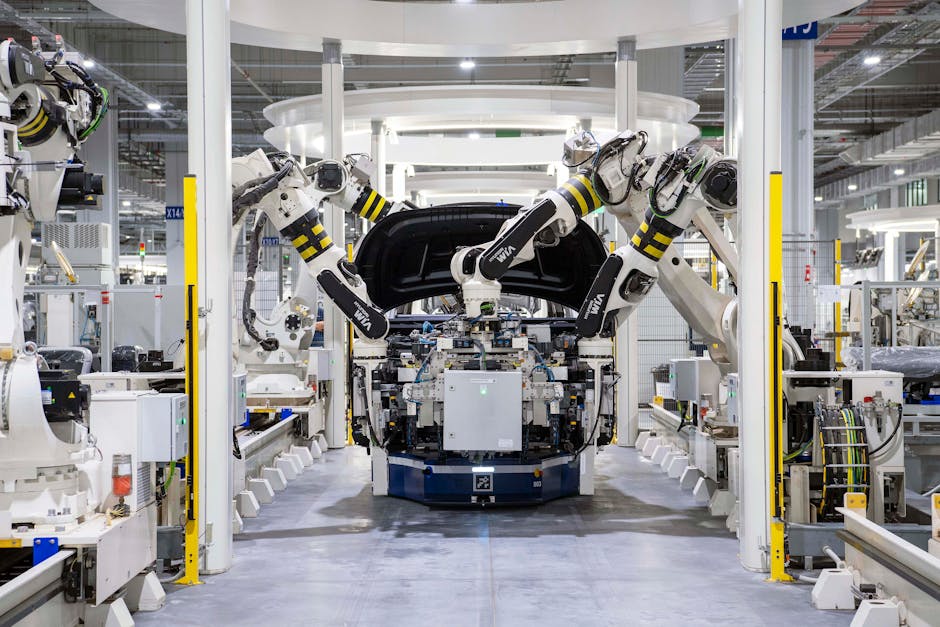 Photo by Hyundai Motor Group
5. Integration Requirements: Connecting Your Loyalty Ecosystem
Effective integration is the backbone of a successful automotive loyalty program. The loyalty system must seamlessly connect with existing technological infrastructure.
-
API connectivity: Robust APIs are essential for linking with existing DMS, CRM, and marketing automation tools, ensuring a unified view of the customer. The global automotive DMS market was valued at USD 5.9 billion in 2025 and is projected to reach USD 13.1 billion by 2035, driven by demand for integrated digital solutions according to Research Nester.
-
Service center integration: Automatic point crediting and redemption at service centers streamline the customer experience and reduce manual errors.
-
Mobile app integration: The loyalty system should power customer-facing mobile apps for easy access to program features.
-
Reporting dashboards: Customizable dashboards must cater to the analytical needs of both manufacturers and individual dealers.
6. Cost Considerations and ROI Metrics for Automotive Loyalty
Understanding the financial implications and expected returns is vital when selecting a loyalty system. Costs can vary significantly based on the chosen platform and implementation complexity.
-
Platform licensing models: Loyalty platforms typically offer per-transaction or subscription-based pricing.
-
Implementation costs: These include integration with existing systems, customization to specific brand needs, and training for dealer staff.
-
Key ROI metrics: Critical metrics include service retention rate, customer lifetime value (CLV), and referral generation. Customer lifetime value can reach $47,700 per retained customer in dealerships according to DemandLocal.
-
Calculating break-even timeline: A thorough ROI analysis should project the timeline for the loyalty program investment to pay for itself, often within 12-18 months through improved service retention.
 Photo by Tom Fisk
7. Why LoyaltyNest Is Built for Automotive Manufacturers
LoyaltyNest, an enterprise loyalty platform by CFCS Cloud Solutions, is specifically designed to meet the complex demands of the automotive industry. Our platform offers robust features and proven scalability for large-scale operations.
-
Proven high-volume QR processing: LoyaltyNest can handle over 1 lakh QR scans within minutes for service validation, ensuring efficient and accurate point crediting even during peak periods. This capability is crucial in markets like India, where QR code usage has surged, with over 1.1 million scans reported, making India second globally.
-
Enterprise-grade platform: Trusted by large-scale brands like Samsung and Fuji, our platform offers the reliability and security required by automotive OEMs.
-
India-specific deployment: We provide multi-location dealer network support, crucial for manufacturers operating across diverse geographical regions.
-
Flexible program design: LoyaltyNest supports various reward structures, including points, cashback, and tiered systems, allowing manufacturers to tailor programs to their unique customer segments and objectives. Our loyalty reward program software is highly customizable.
8. Implementation Roadmap: From Selection to Launch
A structured implementation plan is essential for a smooth rollout and successful adoption of a new loyalty system. Following a clear roadmap minimizes disruption and maximizes efficiency.
-
Requirements gathering and stakeholder alignment: Involve both manufacturer and dealer stakeholders to define objectives, program design, and technical specifications.
-
Platform configuration, integration, and testing: Configure the chosen loyalty system, integrate it with existing DMS and CRM platforms, and conduct rigorous testing to ensure seamless operation.
-
Dealer training and pilot program launch: Train dealer staff on the new system and launch a pilot program in a few select dealerships to identify and address any issues before a full rollout.
-
Full rollout, customer communication, and ongoing optimization: Launch the program across the entire network, communicate benefits to customers, and continuously monitor performance for optimization.
 Photo by Mike Bird
9. Conclusion: Making the Right Loyalty System Choice
Selecting the right loyalty system is a strategic decision that can significantly impact a car manufacturer's long-term success. By prioritizing scalability, seamless integration, and a mobile-first approach, OEMs can build programs that genuinely resonate with customers. A robust loyalty program is a competitive advantage, transforming one-time buyers into dedicated brand advocates and driving substantial growth.
The automotive industry is evolving rapidly, and customer retention is more critical than ever. Increasing auto customer retention with loyalty software ensures a stable revenue stream and fosters brand loyalty. Evaluate platforms carefully, request demos, and choose a partner like LoyaltyNest that understands the unique complexities of the automotive sector.
Key Takeaways
-
Automotive loyalty programs are crucial for customer retention and profitability in a competitive market.
-
Systems must handle long purchase cycles, multiple touchpoints (sales, service), and complex dealer networks.
-
Essential features include QR-based validation, DMS/CRM integration, multi-tier rewards, and mobile-first experience.
-
Scalability is critical for processing high transaction volumes and supporting nationwide dealer networks.
-
LoyaltyNest offers specialized, high-volume QR processing and enterprise-grade solutions for automotive manufacturers.
-
A structured implementation roadmap ensures successful deployment and ongoing optimization.